Two Effective Ways of Protecting Babies from RSV

As the colder months approach, so does the return of respiratory syncytial virus (RSV).     Let’s explore some key measures to keep our little ones healthy and safe!
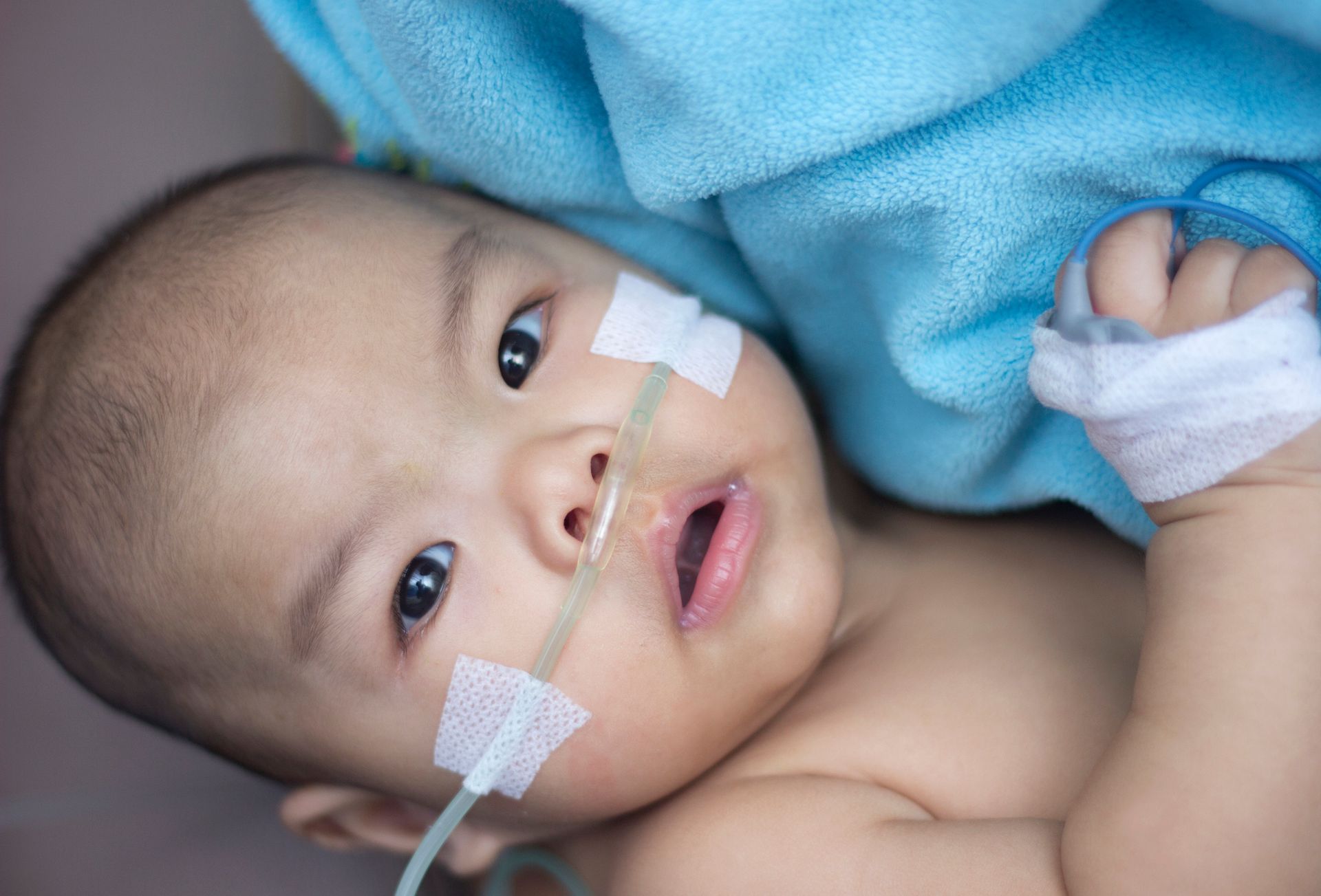
A baby is laying on a bed with an oxygen tube in his nose.


Why is RSV a Concern?                                                               

Respiratory syncytial virus (RSV) typically causes mild, cold-like symptoms in older children and adults. Nearly all children under age 2 will contract RSV, with the youngest facing the greatest challenges. About 2-3 out of every 100 young infants require hospitalization, resulting in 58,000 to 80,000 admissions annually. In these infants, the virus can settle in the lungs, leading to bronchiolitis—an inflammation of the small airways that makes breathing difficult. What may seem like a mild illness can escalate quickly.


Understanding the RSV Preventative Antibody Injection

The RSV Preventative Antibody injection, known as Beyfortus (nirsevimab), provides immunity through specially designed antibodies targeting RSV. It offers immediate, “ready-made” protection against the virus, with clinical studies showing an 80% reduction in hospitalization risk.


Beyfortus is generally well tolerated, with uncommon side effects that may include pain, redness, or swelling at the injection site and mild rash. Beyfortus builds on over 25 years of safe use of Synagis, a previous formulation that has been safely administered to millions of high-risk infants. However, Synagis required monthly injections, limiting its use. In contrast, Beyfortus simplifies the process with a single-dose option that provides lasting protection throughout the RSV season and is now available for all young infants.


Who Should Get the Injection?

  • All infants under 8 months during their first RSV season (October to March).
  • Infants between 8 and 19 months old at high risk, such as those with chronic lung disease or congenital heart disease, during their second RSV season.


An Earlier Opportunity: The RSV Vaccine for Expecting Mothers

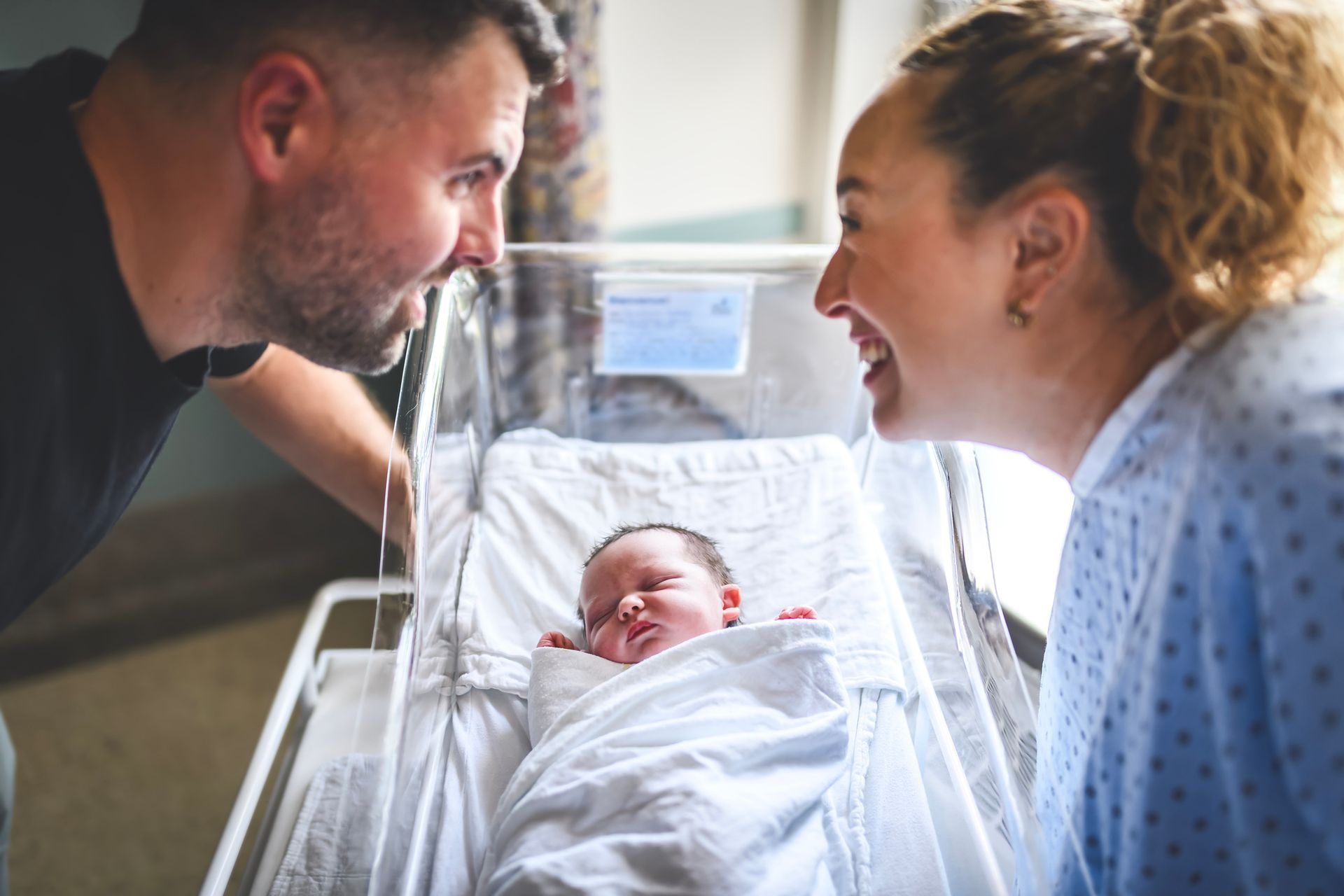
Another way to protect your baby is the RSV vaccine for pregnant women, which prompts the mother’s immune system to produce antibodies passed through the placenta. Vaccinating mom at 32-36 weeks (at least 14 days before delivery) provides vital protection during the first months of an infant’s life. It significantly reduces the risk of hospitalization by about 60% and ICU admission by 80% for vaccinated infants.


If you are pregnant, discuss your eligibility with your OB. Babies whose moms received the vaccine typically do not need the RSV Preventative Antibody, as they have protection from maternal antibodies.


Important Supply and Administration Information

Beyfortus can be provided at the birth hospital, but availability may vary, so we encourage you to take advantage of this opportunity to protect your newborn when it arises.  This injection can be given alongside routine immunizations during wellness visits or at nurse-only appointments.


For More Information

Navigating infant healthcare can be complex, but staying informed is key. For additional resources, you can visit the following websites:


Together, we can keep our little ones safe and healthy!


January 22, 2026
The American Academy of Pediatrics (AAP) has recently updated its vaccine schedule, and we want to let you know that our practice will be following their guidance. These updates are based on the latest research and a strong commitment to maintaining children’s health. You can read more on the AAP's parent-focused website: HealthyChildren.org.
January 15, 2026
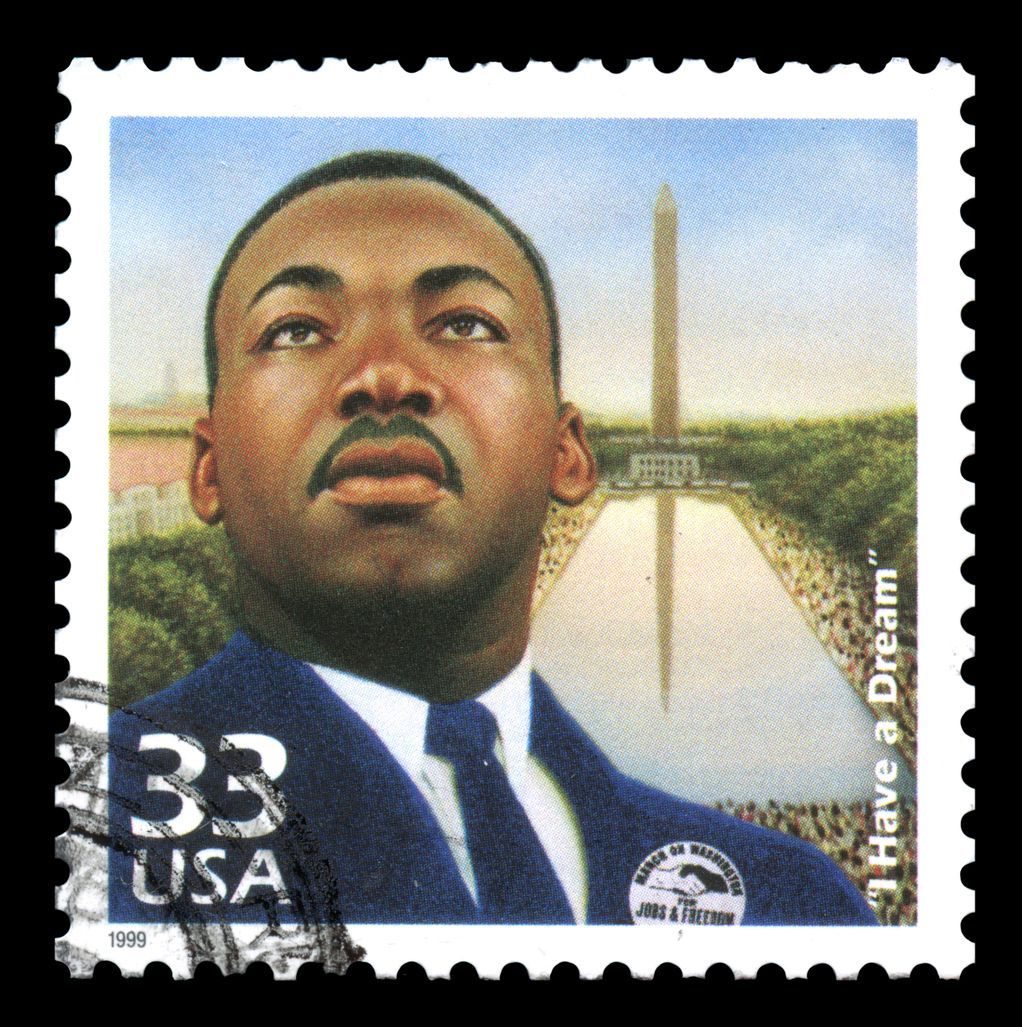
At Pediatric Associates at Northwoods, we are committed to fostering values of respect, compassion, and fairness in the children and families we serve. On Martin Luther King Jr. Day, we reflect on the enduring legacy of Dr. King—a visionary leader whose work continues to inspire hope, unity, and positive change. His dedication to justice and equality serves as a meaningful reminder of the role we all play in creating a more inclusive and caring world for future generations.
January 4, 2026
After 36 wonderful years of caring for families in our community, Beth and Dr. Frank Tomase have announced their plans to retire in 2026. Beth will be retiring in the spring and Dr. Tomase in August. While they are excited for the next chapter, they will truly miss the many families they’ve had the privilege to serve.
A baby is wearing a santa hat and a red shirt.
December 14, 2025
The holiday season is here, and we know it’s a busy time for families! At Pediatric Associates at Northwoods, we want to help you plan ahead for your child’s care. While we hope you're enjoying time with family and friends, we know that kids' illnesses and accidents don’t always follow the holiday schedule. To allow our team to enjoy the holidays, we’ll be operating under special hours.
A little girl is eating a roasted chicken with a fork
November 19, 2025
Our office hours for the holiday: Wednesday, November 26: Closing early at 2:00 PM. Thursday-Friday, November 27-28: An on-call physician will be available for emergency issues. Closed for office hours to allow our staff to spend time with their families. A Thanksgiving Celebration of Gratitude: What Our Kids and Families Are Thankful For As Thanksgiving approaches, it's the perfect time to reflect on the things that matter most. We asked our young patients and their families to share what they’re grateful for this year. Here’s a glimpse of their heartwarming responses .
October 19, 2025
🎃 Halloween is full of excitement—costumes, friends, and candy galore! But come November 1st, parents face the real challenge: what should you do with ALL THAT CANDY ? Let kids go free rein… or pace their candy spree?
October 3, 2025
Indigenous Peoples’ Day is a time to honor the enduring presence, wisdom, and cultural contributions of Indigenous communities. It reminds us to recognize their deep connections to the land and the traditions that have been preserved and shared across generations, often in the face of great challenges. This day is not only about celebration, but also about reflection. It calls us to acknowledge the history of colonization, displacement, and inequities faced by Indigenous peoples, while also recognizing their strength, resilience, and continued influence on our shared story. As we observe Indigenous Peoples’ Day, let us take the opportunity to learn more about the diverse languages, customs, and knowledge that shape Indigenous cultures. By listening, learning, and supporting Indigenous communities, we can help amplify their voices and contribute to a future rooted in respect, inclusion, and equity. Today, we honor the past, celebrate the present, and commit to building a more just and inclusive tomorrow—together with Indigenous peoples. Here at PAN, we are also reminded of the privilege it is to care for all children and families in our community. We are truly grateful for the trust you place in us and for the opportunity to play a role in your children’s health and well-being. Ways to celebrate: 2025 Indigenous Peoples Day Events Massachusetts Center for Native American Awareness
August 5, 2025
We’re excited to share a new addition to our website designed to support families in navigating important assistance programs. Our goal is to help connect you to the resources you need to address health-related social needs that impact your family’s well-being.
August 5, 2025
As August begins, we're officially a little more than halfway through summer vacation. While there's still plenty of fun to enjoy, it’s also a great time to start preparing for the upcoming school year. Here’s how you can make sure you’re ready:
By Frank Tomase May 19, 2025
As New England thaws and spring brings warm sunny days filled with outdoor fun, it also brings bugs—especially ticks! After a long winter, it’s easy to let our guard down—but ticks are already active, and daily tick checks are an important part of keeping your child healthy.